By Lin Kai, Licensed Pharmacist (17 years in hospital pharmacy based in China)
Are herbal supplements actually worth your money — or just expensive marketing?
Walk into any supplement store in America and you’ll see shelves of reishi, lion’s mane, turmeric, each promising more than the last. Trust me, the marketing gets exhausting.
As a hospital pharmacist with 17 years of experience, I get asked about these products constantly. This short free guide breaks down three well-known herbs, plus key warning signs you should watch for on supplement labels.
Note: This is a limited free sample. Full details for 8 total herbs, safety tables and real patient stories live inside my complete book. See links at the bottom.
Quick Snapshot
| Herb | Evidence Level | What it may support | Pharmacist’s Take |
| Reishi (Ganoderma) | ⭐⭐⭐ Promising | Immune support, sleep | Gentle support — not a magic fix. Always check for listed beta-glucan content. |
| Lion’s Mane (Hericium erinaceus) | ⭐⭐⭐ Early but promising | Cognitive support, NGF | Cautiously optimistic. Good safety profile. It won’t sort out your sleep for you. |
| Turmeric / Curcumin | ⭐⭐⭐⭐ Strong for joint comfort | Joint comfort, helping keep inflammation in check | Seek standardized extract paired with black-pepper extract. Kitchen curry powder won’t deliver comparable effects. |
1. Reishi (Lingzhi / Ganoderma)
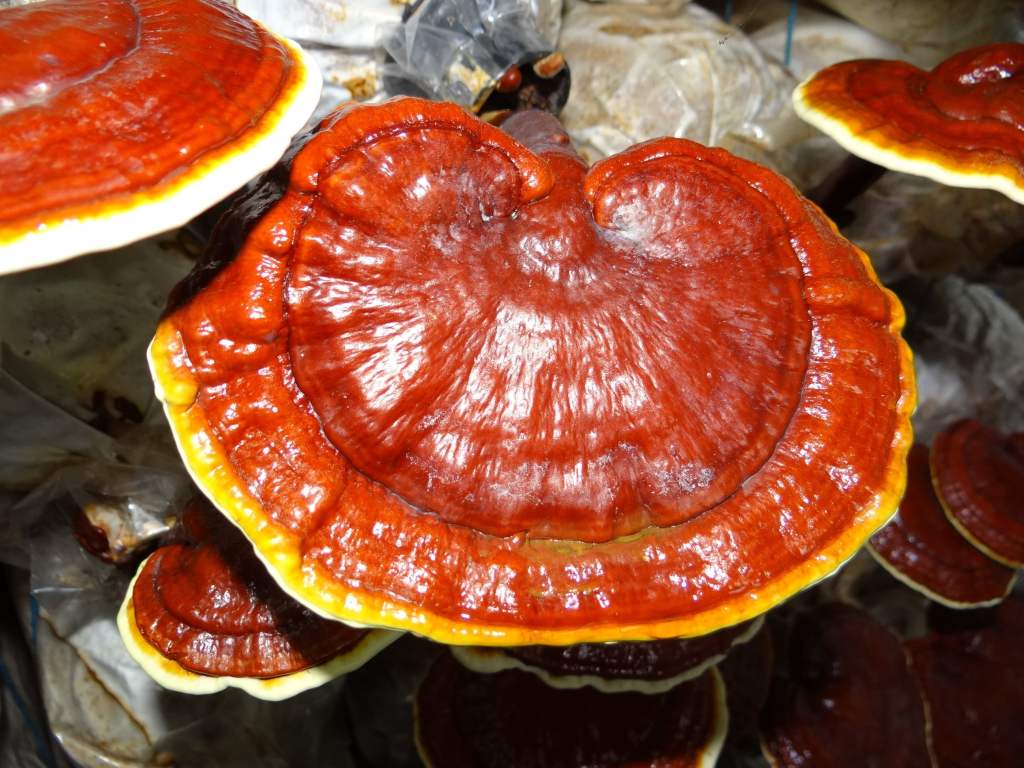
What it is: A woody mushroom used within Traditional Chinese Medicine for more than 2,000 years. Its key active compounds are beta-glucans.
Research hints it may support immune balance and rest. That said, findings aren’t final yet. It definitely won’t act as a magic fix for serious illness, no matter what product labels claim.
Dosage: Follow dosage guidance printed on your supplement bottle.
Who should exercise caution: People who are pregnant, breastfeeding, using blood-thinning products, or preparing for surgery should speak with their provider before use.
Buying tip: If a product label does not list beta-glucan content, you’re better off skipping it.
💊 Pharmacist Tip: I’ve had patients walk in clutching expensive reishi bottles thinking it’ll fix every sleep issue overnight. It just doesn’t work that way.
2. Lion’s Mane (Houtou Gu / Hericium erinaceus)
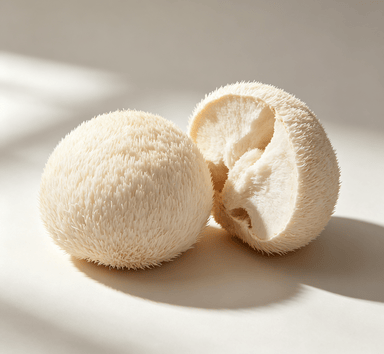
What it is: A distinctive spiky mushroom. Its key active compounds are hericenones and erinacines.
Researchers only have small human studies to go off of, but results look promising for cognitive support.
Don’t expect overnight results. Stick with it if you want to see how it works for you.
Dosage: Stick to dosage guidance printed on your product label.
Who should exercise caution: Don’t ditch prescription medication expecting this mushroom to take its place. It’s only supplementary support, never a replacement.
Buying tip: Look for terms “fruiting body” or “hericenones” printed on packaging. Vague labels usually mean vague, undefined product content.
3. Turmeric & Curcumin (Jianghuang)
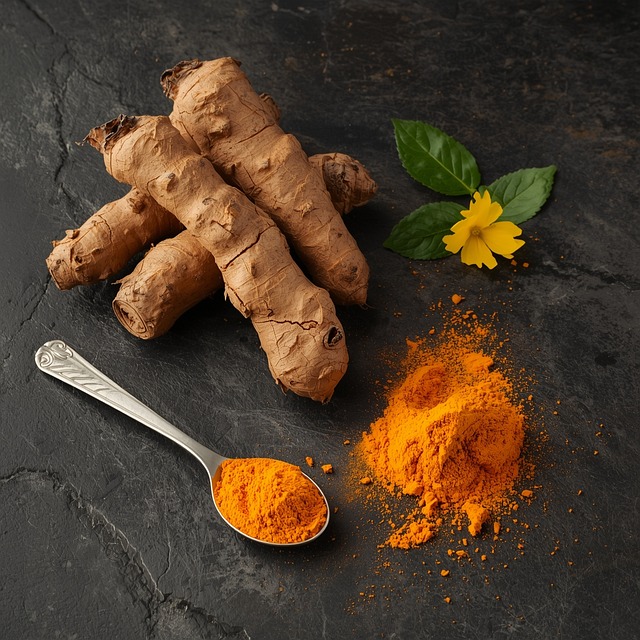
What it is: A common kitchen spice. The valued active compound curcumin only makes up a tiny fraction of plain grocery-store turmeric powder.
Existing research looks really encouraging when it comes to joint comfort.
Dosage: For best results look for standardized curcumin extract paired with piperine (black-pepper compound), and take alongside food containing fat. Follow label dosing directions.
Who should exercise caution: If you take blood-thinning products, check with your doctor before starting. Pause use two weeks ahead of any scheduled surgery.
Buying tip: Curry you cook at home tastes great, but it’s not a substitute for standardized supplement extracts.
Bonus: 8 Red Flags on Any Supplement Label (Pharmacist’s Quick Check)
This checklist works for nearly all herbal and dietary supplements you shop for.
| Red Flag | What It Actually Means |
| Claims it will fix or resolve a specific disease | Supplements cannot act as magic fixes for disease. Steer clear. |
| “Proprietary blend” with no individual ingredient amounts | You’ve got no way to know real active-ingredient dosage. |
| “Miracle” / “Immortal herb” | Long historical use is interesting, but it’s not proof of effect. |
| Mushroom product with no beta-glucan listed | You’re very likely paying mostly for filler material. |
| “Wild Himalayan cordyceps” sold at a low price | Almost certainly cultivated lab material or mislabeled goods. |
| No mention of third-party testing | You can’t know for sure whether the product is well-made. |
| “Natural antihistamine” with no supporting evidence | May bring mild benefit, yet cannot replace medication. |
| “Higher dose always equals better results” | This claim is unproven. More does not automatically mean better. |
A Note on Safety
This guide is for educational purposes only and is not medical advice.
Herbal supplements can interact with prescription medicines.
Always talk with your healthcare provider before starting any new supplement — especially if you are pregnant, take prescription drugs, or live with chronic health conditions.
Don’t play doctor on yourself.
Want Full, In-Depth Guidance?
This is only a short free excerpt from The Pharmacist’s Guide to Herbal Supplements.
Inside the full-length book you’ll find:
- Coverage for 5 extra popular herbs not shown here
- Practical herb-drug interaction reference tables
- Safety notes for pregnant people, seniors and immunocompromised groups
- Real-world patient stories and deeper label-spotting tricks
📖 Grab the full book on Amazon: https://www.amazon.com/dp/B0HFJL8PBZ
For supplement brands and sellers: I offer pharmacist-led label review services — ingredient verification, dosage checks, drug-interaction screening and Amazon listing compliance reviews. Find my service on Fiverr: https://www.fiverr.com/s/BbBlpL5
Want the complete supplement safety checklist? See my pharmacist’s guide to supplement safety.
© 2026 Kai Lin Health. You may share this material with proper attribution.

Leave a comment